
Article Directory
The USPS Isn't Just Delivering Mail, It's Delivering the Future
Okay, folks, buckle up, because what's happening with the United States Postal Service right now is about way more than just stamps and packages. I know, I know, headlines are screaming about a $9 billion net loss in fiscal 2025. Another government agency struggling, right? But hold on a second, because buried beneath those numbers is a story of resilience, innovation, and a surprisingly optimistic vision for the future of... well, everything.
See, Postmaster General David Steiner is saying they're not deviating much from their 10-year reform plan, even with those losses. Now, on the surface, that might sound like stubbornness. But what if it's actually a sign of something far more profound? What if the USPS, in its own way, is quietly laying the groundwork for a massive shift in how we think about logistics, infrastructure, and even community?
The Silent Revolution in Progress
Let's be honest, most of us probably haven't given the USPS a second thought beyond hoping our packages arrive on time. But think about this: they're delivering to every single address in the country, every day. That's a logistical network that makes Amazon look like a lemonade stand. And they're doing it while grappling with declining mail volume, increased costs, and a regulatory environment that feels like it was designed in the Stone Age.
But here's where it gets exciting. Steiner is talking about capturing a greater share of the e-commerce industry. He's talking about utilizing their assets "efficiently and effectively." What does that actually mean? Imagine a USPS that's not just delivering packages, but also acting as a hub for local businesses, a provider of essential services in underserved communities, and a key player in the green energy transition with their electric vehicle deployment funded by the Inflation Reduction Act. The potential here is staggering.
We are talking about a fundamental paradigm shift. The USPS has the potential to transform into a vital artery, pumping lifeblood into the American economy and connecting communities in ways we haven't even begun to imagine. This is the kind of breakthrough that reminds me why I got into this field in the first place.
Now, some folks are skeptical. I saw that the Postal Regulatory Commission warned that the next phase of the reform plan could slow mail delivery for a "significant portion of the nation." And sure, there are challenges. Steiner himself admits that on-time deliveries haven't been where they need to be. But let's reframe that: they're aware of the problem, and they're actively working to fix it. They delivered 88.89% of first-class mail on time in FY 2025, and households received mail in 2.5 days, on average. This is progress!
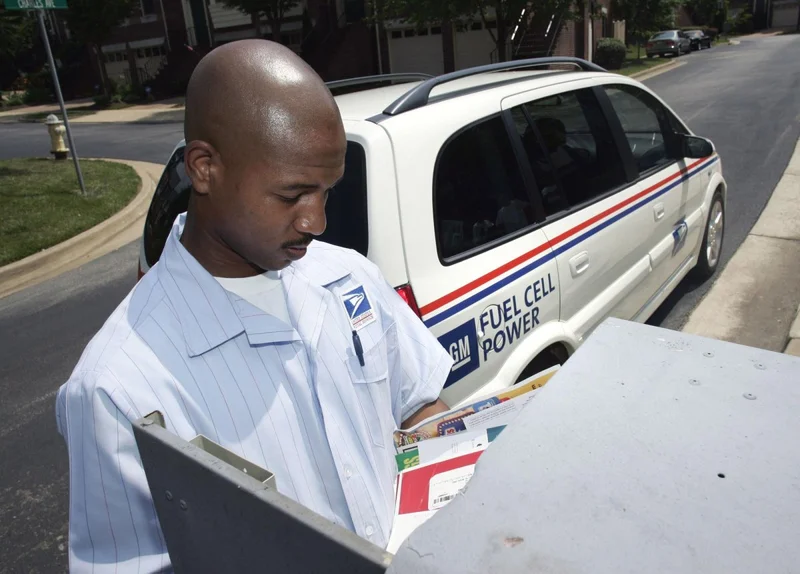
And I'm seeing signs of optimism bubbling up from the community. One commenter on Reddit said, "If the USPS can pull this off, it would be a game-changer for rural communities." Another wrote, "I'm actually excited to see what the USPS does with electric vehicles. They could become a model for other government agencies." This is the kind of collective excitement that fuels real innovation.
But let's also inject a moment of ethical consideration here. With this increased power and reach comes increased responsibility. The USPS needs to be transparent, accountable, and committed to serving all Americans, not just the ones who are profitable to serve. It needs to ensure that its modernization efforts don't come at the expense of its employees or the environment.
Steiner says that the USPS "cannot cost-cut our way to prosperity." He gets it! Service is foundational, he says, and drives business and revenue. It's like the old saying, "You have to spend money to make money." That's what I'm talking about!
And remember, the USPS is asking Congress for more flexibility in how it's regulated, including a greater ability to borrow money for infrastructure improvements. Amber McReynolds, the Board Chairwoman, pointed out that their $15 billion borrowing limit hasn't been updated since 1991! Think about that for a second. It's like trying to run a 21st-century business with a dial-up modem. The speed of this is just staggering—it means the gap between today and tomorrow is closing faster than we can even comprehend.
This reminds me of the early days of the internet. Back then, people were skeptical. They said it was a fad, a waste of time, and that it would never amount to anything. But look at us now. The internet has transformed every aspect of our lives. And I believe the USPS, with its vast network and its commitment to innovation, has the potential to do the same.
The Sleeping Giant Awakens
The USPS isn't just delivering mail; it's delivering a future where logistics are democratized, communities are connected, and government agencies are drivers of innovation. This is a future worth fighting for, and I, for one, am incredibly excited to see what happens next.