
Article Directory
Blue Origin's "Success": A Closer Look at the Numbers
Blue Origin finally stuck the landing. After a rocky start (pun intended), Jeff Bezos's space venture successfully launched its New Glenn rocket and, crucially, recovered the first-stage booster. The headlines are celebratory, touting it as a direct challenge to Elon Musk’s SpaceX. But let's dig into the data, shall we?
The Booster Recovery: A Necessary, Not Sufficient, Condition
The successful booster recovery is a big deal. It's essential for reusability, which drives down costs. We know this from SpaceX's Falcon 9 program, which has flown boosters dozens of times. Blue Origin's previous failure to recover the booster during New Glenn's initial test flight in January was a major setback. But a single successful landing doesn't automatically catapult them into SpaceX's league.
Consider the scale: SpaceX has been landing Falcon 9 boosters since 2015. They’ve refined the process to the point where it's almost routine. Blue Origin is just getting started. This isn’t to diminish their accomplishment, but rather to provide context. It’s like celebrating a single profitable quarter after years of losses; it's a step in the right direction, but not a sign of guaranteed future success.
The sources mention that SpaceX congratulated Blue Origin on the successful launch via X (formerly Twitter). Elon Musk is known for his competitive spirit, but he's also a pragmatist. He understands the importance of a robust space industry. A little competition can be healthy, even if SpaceX currently holds a dominant position. As some reports suggest, this launch could be a significant move in the space race, with Blue Origin’s NASA Launch to Mars Is a Shot across the Bow for Elon Musk’s SpaceX.
The NASA Angle: A Real Opportunity, or Just Talk?
The potential opening for Blue Origin to compete for NASA's lunar lander contracts is intriguing. NASA’s acting administrator, Sean Duffy, reopened the competition for the Artemis III mission's crewed lander due to delays with SpaceX's Starship program. This presents a clear opportunity for Blue Origin, which has publicly stated its commitment to helping NASA meet its lunar goals.
However, let's not get ahead of ourselves. Blue Origin's proposed lunar lander is still in the development phase. SpaceX already has a Starship prototype that, while facing its own challenges, has undergone multiple test flights. The timeline for Artemis III is already tight (currently slated for 2027), and NASA may be hesitant to switch horses mid-race, especially to a less-proven option.
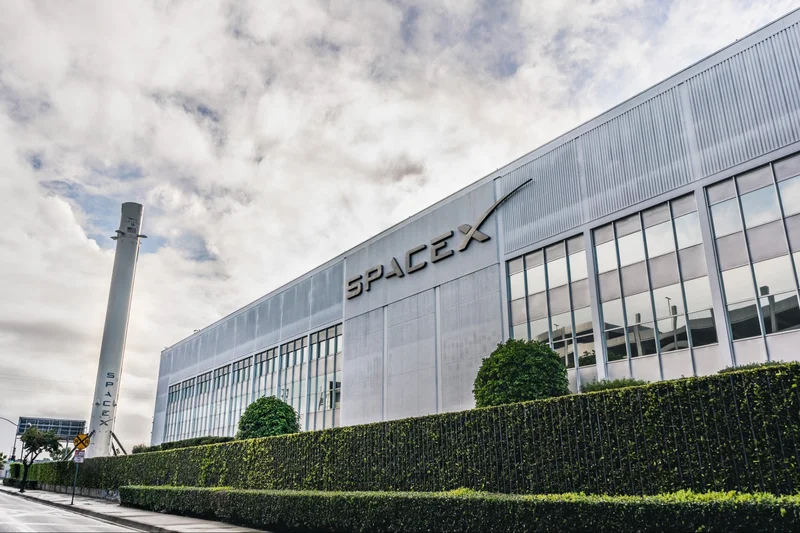
And this is the part of the report that I find genuinely puzzling: NASA is considering reopening the competition after awarding the original contract to SpaceX. What were the specific performance metrics that Starship failed to meet? Details on the exact reasons for NASA's reevaluation remain scarce, but the fact that they're even considering alternatives suggests a level of dissatisfaction with SpaceX's progress.
Blue Origin's CEO, Dave Limp, stated the company “would move heaven and Earth” to help NASA. Sincere? Perhaps. But let’s see them deliver. What specific investments are they making to accelerate the development of their lunar lander? How are they addressing the technical challenges associated with landing humans on the moon? These are the questions NASA will be asking, and the answers will determine whether Blue Origin truly has a shot.
The Mars Mission: ESCAPADE - More Than Just a Name
New Glenn successfully launched NASA's ESCAPADE mission, sending two identical Mars orbiters (named Blue and Gold) towards the Red Planet. The mission aims to study the interaction between solar wind and Mars' magnetic environment. This is valuable research, potentially helping us understand Mars' climate and protect future crewed missions.
But let's be blunt: launching a scientific payload to Mars is not the same as ferrying humans to the moon. ESCAPADE is a relatively small (though important) mission. The requirements for human spaceflight are exponentially more complex and demanding.
The two probes, Blue and Gold, are due to arrive at Mars in 2027. It's an odd coincidence that the Artemis III mission is slated for the same year. Is this a deliberate attempt to align Blue Origin's timeline with NASA's, even if the missions are fundamentally different in scope and complexity?
A Victory, But Not a Revolution
Blue Origin's successful launch and booster recovery are undoubtedly positive developments. They demonstrate progress and signal a potential shift in the competitive landscape. However, it's crucial to maintain a data-driven perspective. SpaceX remains the dominant player in the reusable rocket market, and Blue Origin has a long way to go before it can truly challenge that position. The key will be consistent performance, cost-effectiveness, and a proven ability to meet the demanding requirements of human spaceflight. Let's see if they can deliver on that promise.